


October 8, 2026 | 7:27 PM ET
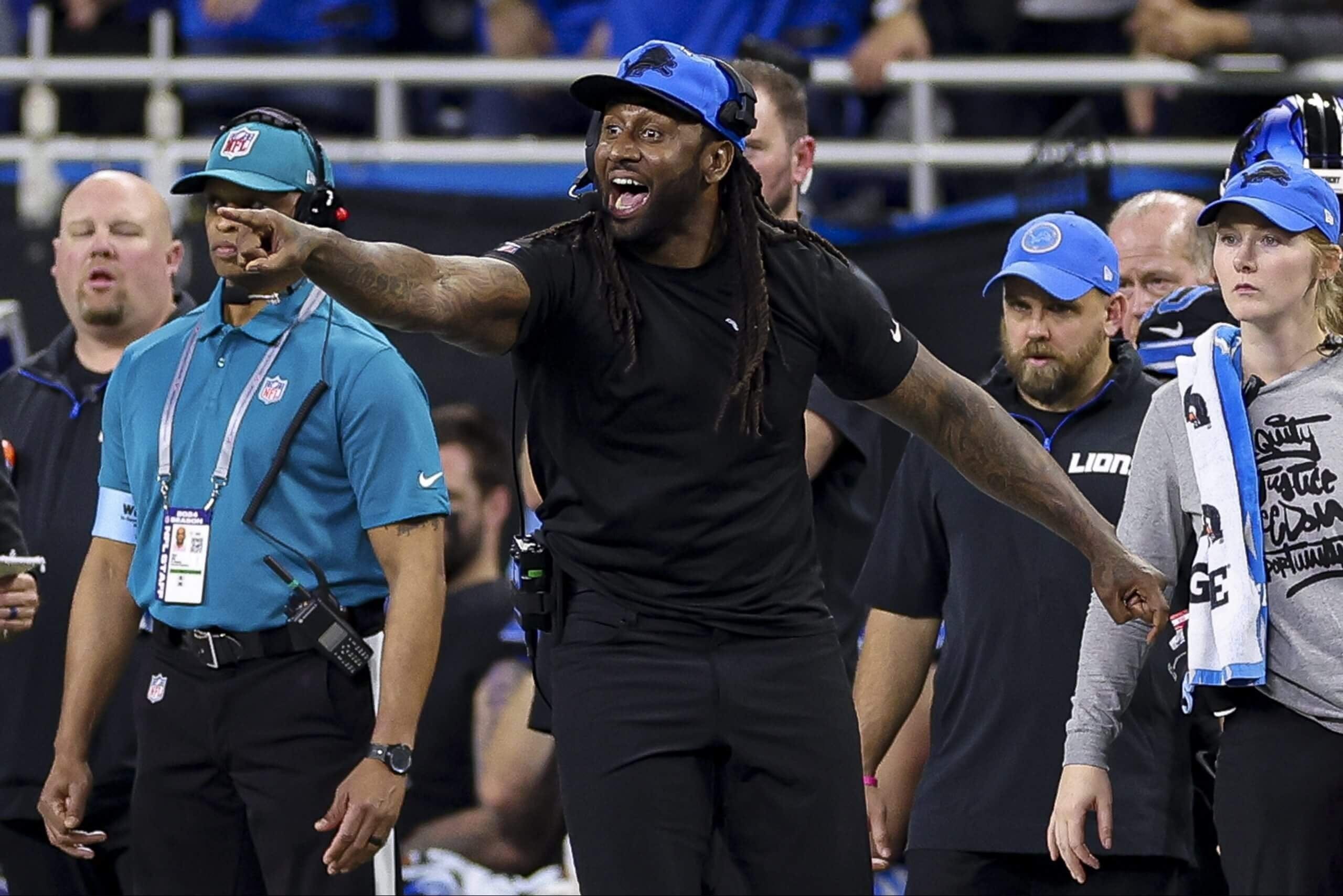
DETROIT LIONS—Kelvin Sheppard delivered a significant assessment Thursday, acknowledging that Detroit’s defensive line has performed at an exceptional level while the defenders behind it have repeatedly failed to capitalize. The admission came three days before the Lions face an Arizona offensive line preparing to start seventh-round rookie Jayden Williams at left tackle following Paris Johnson Jr.’s season-ending biceps injury.
For a defense surrendering 31.8 points per game, the matchup presents an opportunity to exploit inexperienced protection without exposing the coverage deficiencies that have undermined Detroit’s season.
The Lions enter Sunday’s game at 2-2 against a Cardinals team sitting at 1-3, with Aidan Hutchinson positioned to challenge Williams throughout the afternoon. However, Jacoby Brissett’s experience and Trey McBride’s receiving ability give Arizona answers that do not require exceptional pass protection.
Detroit’s defensive front has already demonstrated that winning individual matchups means considerably less when quarterbacks consistently find available receivers before pressure can affect the throw.
DEFENSIVE DISCONNECT
Through four games, Detroit ranks second in sacks, third in pressure rate and first in non-blitz pressure rate, according to the team’s Thursday reporting. Those rankings establish that Hutchinson and his fellow defensive linemen are producing disruption without consistently requiring Sheppard to commit additional defenders. Yet the Lions rank 32nd in total defense and passing yards allowed, an extraordinary contrast between the effectiveness of their front and the performance of the complete unit.
Opponents have averaged 423.8 total yards and 304.8 passing yards while converting 52.8 percent of their third-down opportunities against Detroit. Those conversions reflect failures to finish defensive possessions, whether through uncontested completions, coverage communication errors or poor tackling after the catch. Sheppard’s acknowledgment that his defensive line has performed better than any during his six seasons in Detroit reinforces the statistical discrepancy. The immediate concern is no longer establishing whether the Lions can pressure quarterbacks, but identifying why that pressure has not consistently produced stops.
ARIZONA’S PROTECTION
Arizona’s offensive line changes create favorable matchups at both tackle and guard, with Williams replacing Johnson and Jon Gaines II stepping in for injured right guard Isaiah Adams. Williams previously contributed as an additional blocker in heavy personnel packages, but protecting Brissett throughout an entire game demands consistent pass-set technique, balance and recovery against counter moves. Hutchinson can test his outside shoulder with speed, convert that threat into power and attack inside when the rookie oversets.
Arizona can respond by assigning additional protection toward Hutchinson, shortening Brissett’s drop or emphasizing quicker passing concepts. Those adjustments could reduce the number of receivers entering routes, but they also place greater responsibility on Detroit’s linebackers and defensive backs to contest early throwing windows. McBride is particularly dangerous because his ability to work underneath and between coverage levels gives Brissett an alternative to holding the football against pressure.
The deeper tactical advantage belongs to Detroit only if its four-man rush and coverage operate together. Additional blitzers cannot compensate for defenders repeatedly surrendering the quarterback’s first available completion.
THE BROADER IMPACT ON DEFENSE
Detroit entered 2026 emphasizing a greater commitment to zone coverage, using it on 76.9 percent of its defensive snaps through the opening three games. That represents a departure from the heavier man-coverage approach associated with previous Lions defenses and was intended to limit explosive passing plays while creating more takeaway opportunities. However, zone structures demand coordinated spacing, route distribution and disciplined communication, particularly when receivers attack the seams between underneath and intermediate coverage.
Personnel availability adds another complication as Detroit prepares for Arizona. Defensive tackle Tyleik Williams returned to limited practice Thursday following a foot injury, while edge defender D.J. Wonnum remained limited with a back problem. Cornerback Rock Ya-Sin missed another practice, and Brian Branch continued participating on a limited basis during his return from Achilles surgery.
The Lions also face Green Bay and Minnesota after their Week 6 bye, increasing the urgency of correcting their defensive communication. Stronger divisional opponents will have opportunities to challenge the same coverage weaknesses unless Detroit converts improved individual execution into more reliable team defense.
TURNING PRESSURE INTO STOPS
Sunday’s matchup should allow Sheppard to challenge Arizona’s inexperienced protection without dramatically changing Detroit’s defensive identity. Four-man pressure can preserve seven coverage defenders, limit the space available to McBride and force Brissett to work through additional reads before releasing the football. If Williams requires consistent blocking assistance, Arizona may also lose receiving flexibility, creating advantages elsewhere in Detroit’s coverage structure.
The critical situations will arrive on second-and-long and third-and-medium, when Arizona must account for Hutchinson without abandoning enough receiving threats to sustain drives. Detroit needs disciplined rush lanes, interior pocket compression and defenders capable of contesting receivers at the catch point. A sack is valuable, but forcing Brissett to throw short of the sticks or into tight coverage can accomplish the same possession-ending objective.
The Week 6 bye gives Campbell and Sheppard an opportunity to examine whether personnel adjustments, coverage changes or improved execution provide the most credible solution. Branch’s eventual return could strengthen the secondary, but waiting for one injured defender cannot become the substitute for correcting four weeks of defensive failures.
Detroit possesses enough front-line talent to dictate passing situations against Arizona’s depleted protection. Its season will increasingly depend on whether the back seven can turn those advantages into defensive stops before the Lions encounter more dangerous offenses.
ROCK’S READ
Sheppard’s Thursday assessment places responsibility squarely on the coaching staff to determine which defenders are consistently executing their assignments and which personnel combinations require reconsideration. Detroit’s front has already established a productive baseline, so wholesale changes to its pressure structure risk weakening the one defensive component that is performing reliably. The more sensible evaluation begins with coverage responsibilities, recognition and communication.
Arizona provides an opportunity to establish accountability before the bye. If younger defensive backs can execute more consistently than the current rotation, their opportunities should increase regardless of experience. Detroit cannot afford to preserve unsuccessful personnel combinations while the defensive line continues supplying advantages that the secondary repeatedly fails to convert.